When First Nations lead child and family services, children and families are better supported, with services grounded in their communities, cultures and needs.
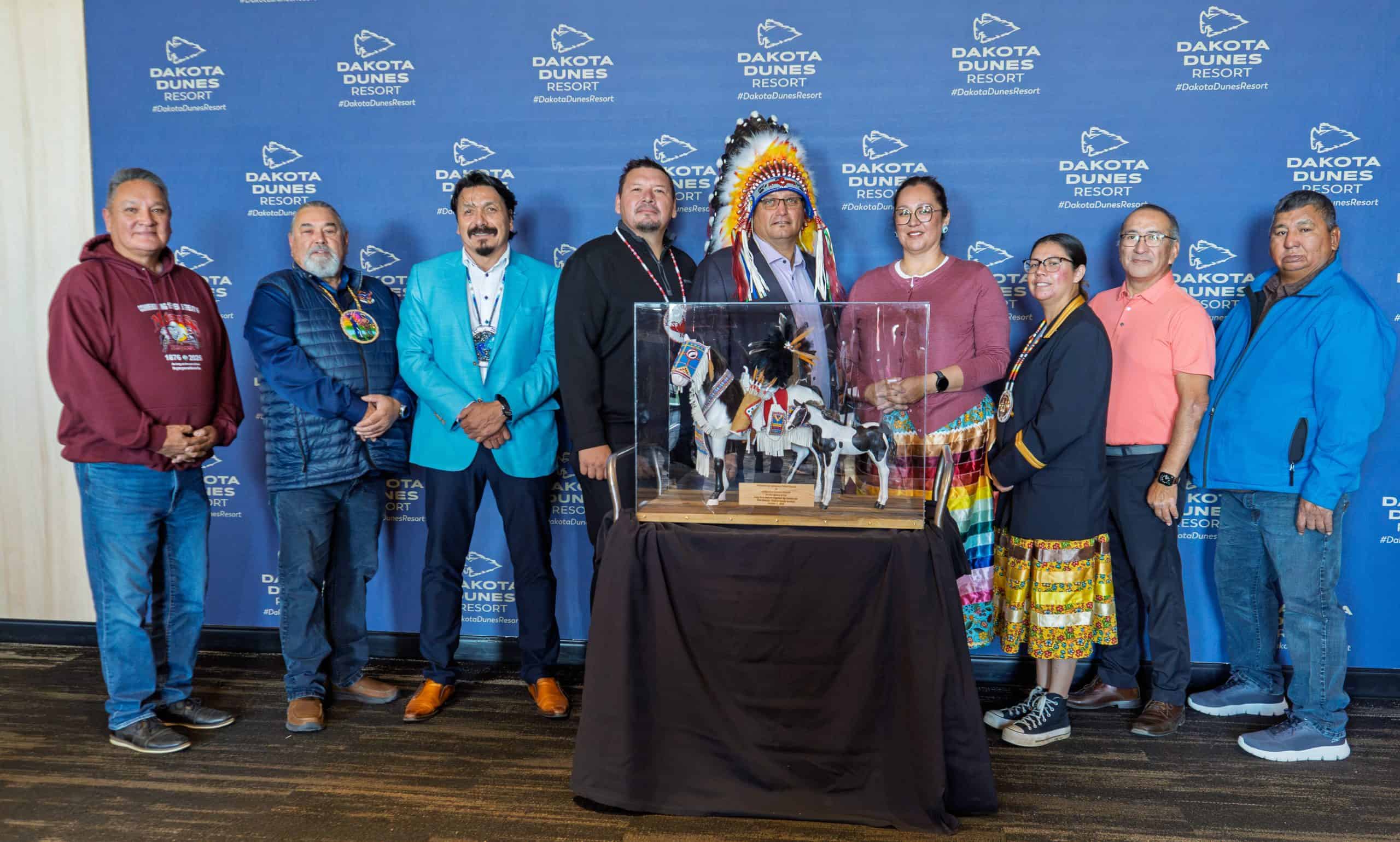
Today, Tribal Chief Mark Arcand of the Saskatoon Tribal Council, on behalf of all seven member First Nations, each of which is participating in the agreement, and the Honourable Mandy Gull-Masty, Minister of Indigenous Services Canada, came together to sign a historic regional agreement on the long-term reform of the First Nations Child and Family Services Program. Named Māmowōhkamātowin, which means “working together” in Cree, it marks the first regional agreement in Canada outside Ontario.
“We believe healthy, thriving communities begin with supporting families and ensuring children grow up connected to their First Nations culture. With today’s agreement, we are changing systems and creating a foundation for a better quality of life for all our people. I want to thank our seven Chiefs for their vision in guiding us through the work to put this agreement together, and the Minister for supporting our communities in taking charge of how their children are cared for,” Tribal Chief Arcand said.
This Agreement on long-term reform of the First Nations Child and Family Services Program for Saskatoon Tribal Council First Nations marks an important milestone in the ongoing transformation of First Nations child and family services. At its core, this work is about First Nations reclaiming jurisdiction over the care of their children — where it has always belonged. It is also about giving First Nations the flexibility and resources to support children and families in ways that reflect their own priorities, cultures and communities. Building on long-term national reform and tailored to the distinct realities of these First Nations, it provides $269 million in funding over seven years to support children, families and young adults.
“First Nations know what their children and families need to thrive ,” Minister Gull-Masty said. “This agreement puts that knowledge and leadership at the centre of child and family services. It supports First Nations with the flexibility and resources to invest in prevention, facilitate early intervention, and keep children connected to their families, communities, and cultures. I want to recognize Tribal Chief Mark Arcand and Saskatoon Tribal Council First Nations for the leadership, determination and years of work that brought us to this important milestone.”
This stable, predictable, and flexible funding will allow First Nations to invest across the full continuum of care. That includes prevention services and housing supports that can address challenges before they result in a child being placed in care; First Nation Representative Services to support First Nations children and families involved in the child and family services system; capital funding to build, purchase, repair, and renovate the facilities needed to deliver services; and post-majority supports to help youth aging out of care and young adults formerly in care transition to adulthood and independence.
By investing earlier, the Agreement will support First Nations in addressing pressures facing families before they reach crisis, while strengthening supports that help keep children safely connected to their families and communities.
It also gives First Nations greater flexibility to determine where resources are needed most and to direct investments toward the services and supports that can make the greatest difference for children and families.
Implementation will be guided by the priorities of the Saskatoon Tribal Council First Nations as embodied in the Agreement, and will support accountability, collaboration, and continuous improvement in the delivery of services. Indigenous Services Canada remains willing to work with First Nations partners both in Saskatchewan and across Canada towards long-term reform for First Nations children and families, within a nationally consistent framework.
Today marks another important step toward putting decision-making about First Nations children and families back where it belongs—with First Nations themselves, and ensuring they have the long-term, flexible funding needed to deliver services aligned with their own priorities.
Quick facts
– Saskatoon Tribal Council is comprised of seven First Nations, all of which are participating in the agreement, and is governed by Chiefs of its member Nations:
Kinistin Saulteaux Nation
Muskeg Lake Cree Nation
One Arrow First Nation
Yellow Quill First Nation
Mistawasis Nehiyawak First Nation
Muskoday First Nation
Whitecap Dakota Nation
– Saskatoon Tribal Council Health and Family Services Inc. is a delegated child and family services agency within the Saskatoon Tribal Council. It is responsible for coordinating child and family programs and service delivery for its member First Nations.
– Māmowōhkamātowin, the Agreement on long-term reform of the First Nations Child and Family Services Program for Saskatoon Tribal Council Health and Family Services Inc. and Saskatoon Tribal Council First Nations is the first regional agreement reached as part of Canada’s proposed approach to the long-term reform of the First Nations Child and Family Services Program.